The importance of our nation’s emergency calling system cannot be understated. We all want to feel like we have the best possible chance of reaching and receiving help in an emergency situation. With technology constantly changing, the laws and regulations regarding 911 calls are always evolving as well. The speed with which we can reach emergency dispatchers and first responders is of utmost importance.
Two of the most recent changes in the nation’s 911 calling system are Kari’s Law and Section 506 of RAY BAUM’S Act. In September of last year, the FCC held an open meeting discussing these two bills, releasing a Notice of Proposed Rulemaking to implement them in the coming years.
Kari’s Law
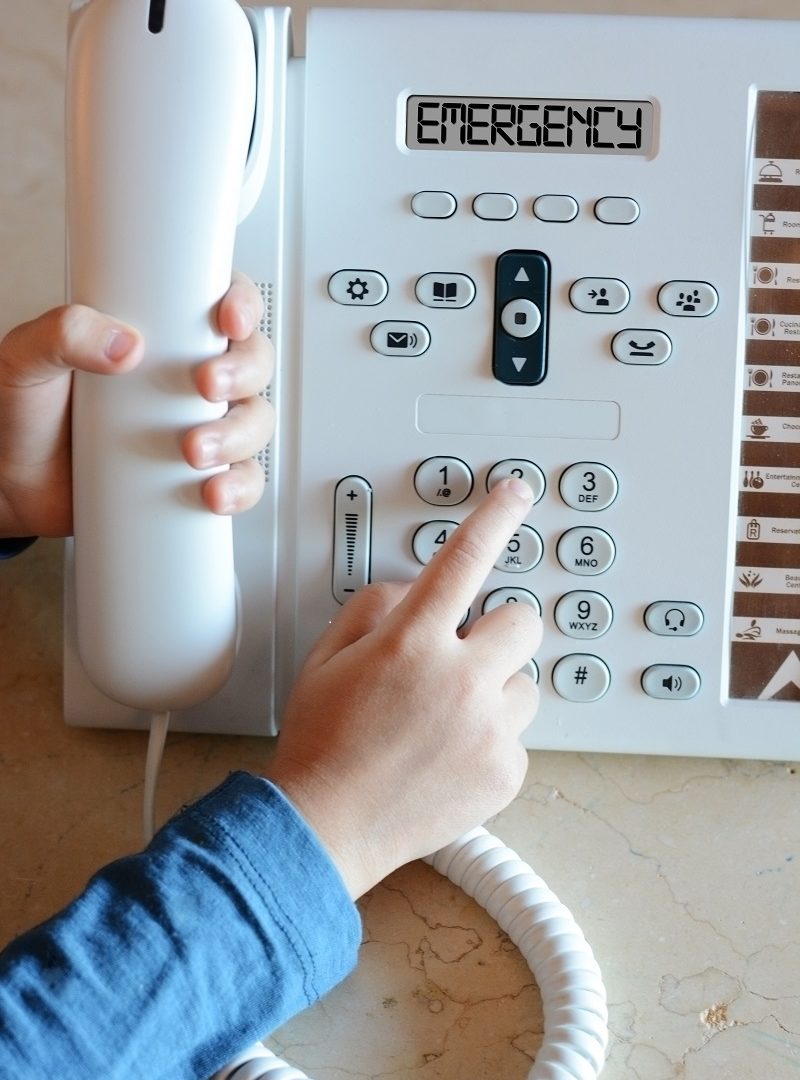
Kari’s Law states that multi-line telephone systems (MLTS) in the United States must allow users to be able to dial 911 directly, without needing to dial a prefix number to reach an outside line. For example, in many hotels, guests have to dial a “9” before they can dial an outside number. Kari’s Law will make it so a guest can dial 911 directly, without dialing the “9” first. The law also requires that the MLTS send a notification to an on-site third party, such as a security office or front desk, that a 911 call has been made and there is a potential emergency situation. There are many buildings besides hotels that have multi-line telephone systems, such as office buildings and college campuses. When organizations install new multi-line telephone systems in their buildings, they will need to be programmed to meet these new regulations.
Section 506 of RAY BAUM’S Act
Related to upgrading the nation’s 911 calling system, Section 506 of RAY BAUM’S Act requires the FCC to ensure that the 911 caller’s exact location can be determined by the dispatcher, regardless of which carrier or technological platform is used. For example, this would apply to MLTS, interconnected Voice over Internet Protocol (VoIP) services, fixed telephone services, and Telecommunications Relay Services. Also, often when a person calls 911 from a MLTS, the dispatcher needs to know the location of the exact floor level and room number of the caller, not just the front door of the building.
It is important to note that it is going to take some time to implement these changes. Though these bills were signed into law in February of this year, February of 2020 is the target date when new systems should be brought into compliance. Companies involved in the manufacturing and configuration of MLTS should be looking ahead to programming their systems to comply with these new laws. However, Kari’s Law only applies to MLTS that are built and/or installed after February 2020. The older MLTS are grandfathered from compliance.
We already have a high-functioning 911 calling system in this country. However, there are always ways to improve and make our citizens safer. It is comforting to know that in the coming years, our emergency calling system will be even more streamlined than it is now.